Kitchen guides
- Kitchen
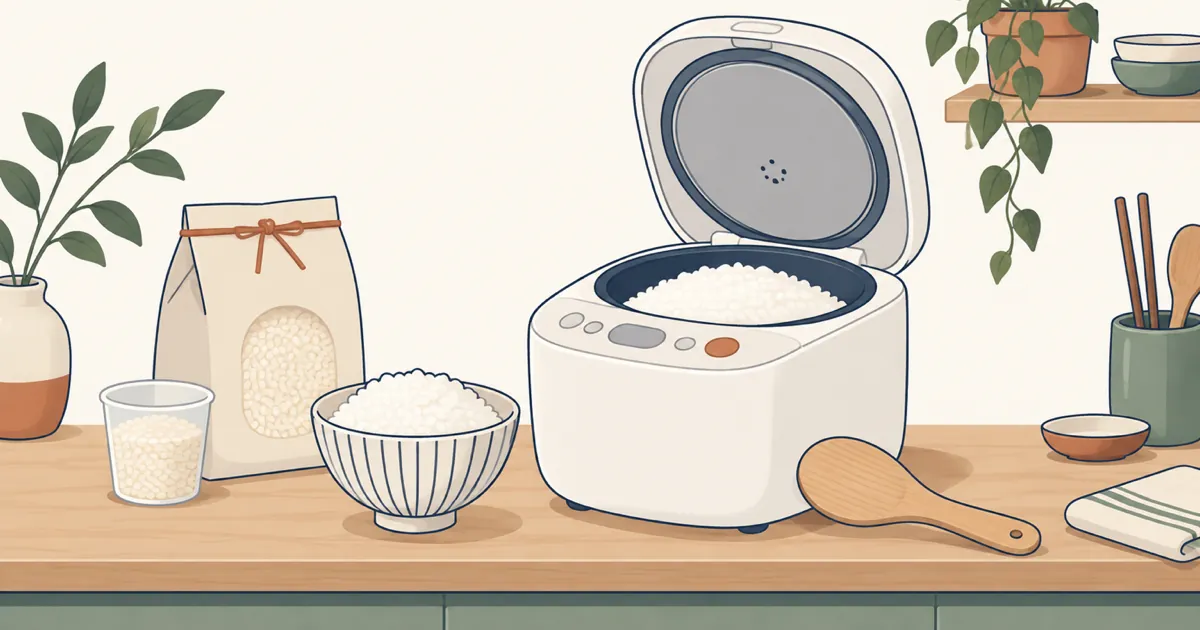
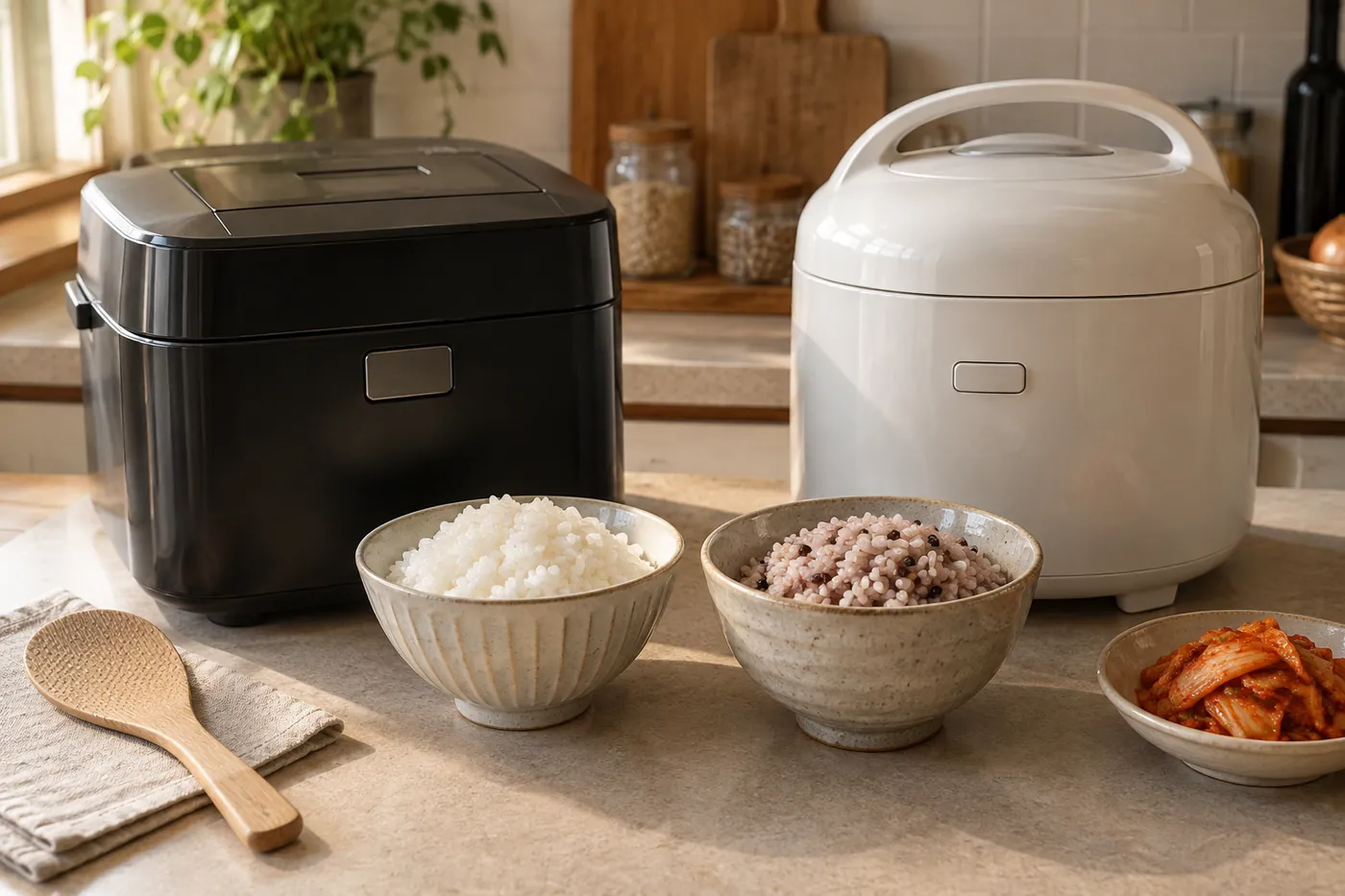
Zojirushi vs Cuckoo: Japanese or Korean Rice Cooker?
Zojirushi is from Japan, Cuckoo from South Korea, and both make pressure rice cookers. The real difference is the rice each one is tuned for. Here is how their US models compare, what Cuckoo's Twin Pressure does, where each is made, and which suits the rice you eat.
- Kitchen
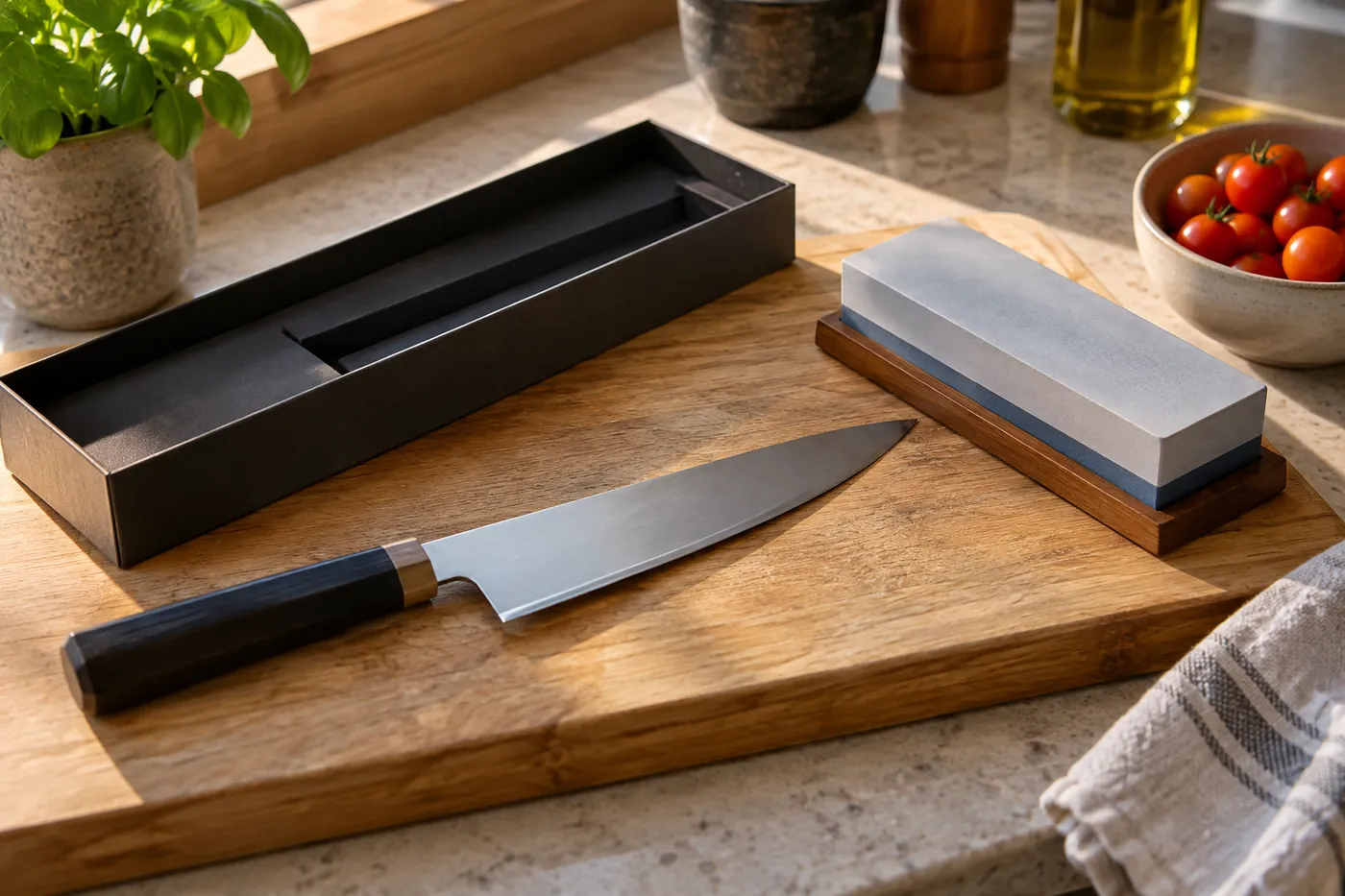
Your First Japanese Knife: The Best Picks at Every Budget, From Tojiro to Miyabi
Buying your first Japanese knife? Here are the best picks at three budgets, from Tojiro's no-frills VG10 knives to Shun, Global and Miyabi, plus the three questions to answer first and the one extra you should buy with it.
- Kitchen
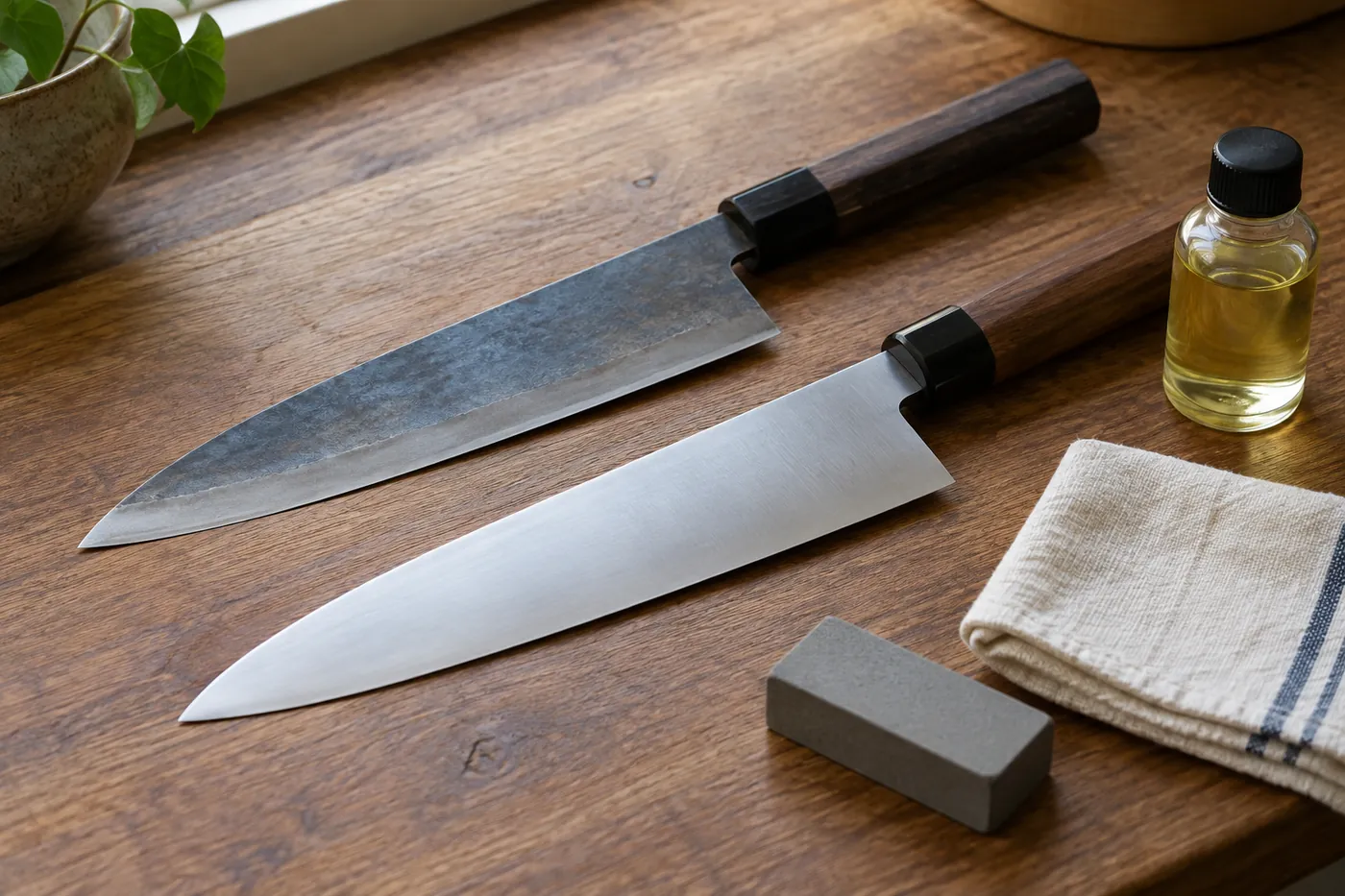
Carbon Steel vs Stainless Japanese Knives: Which to Buy, and How to Stop Rust
Japanese knives come in carbon steel (shirogami, aogami) and stainless (VG10, SG2), and the choice decides how you'll care for them. Here is what the steel names mean, the difference between patina and rust, a daily care routine, and how to remove rust if it appears.
- Kitchen
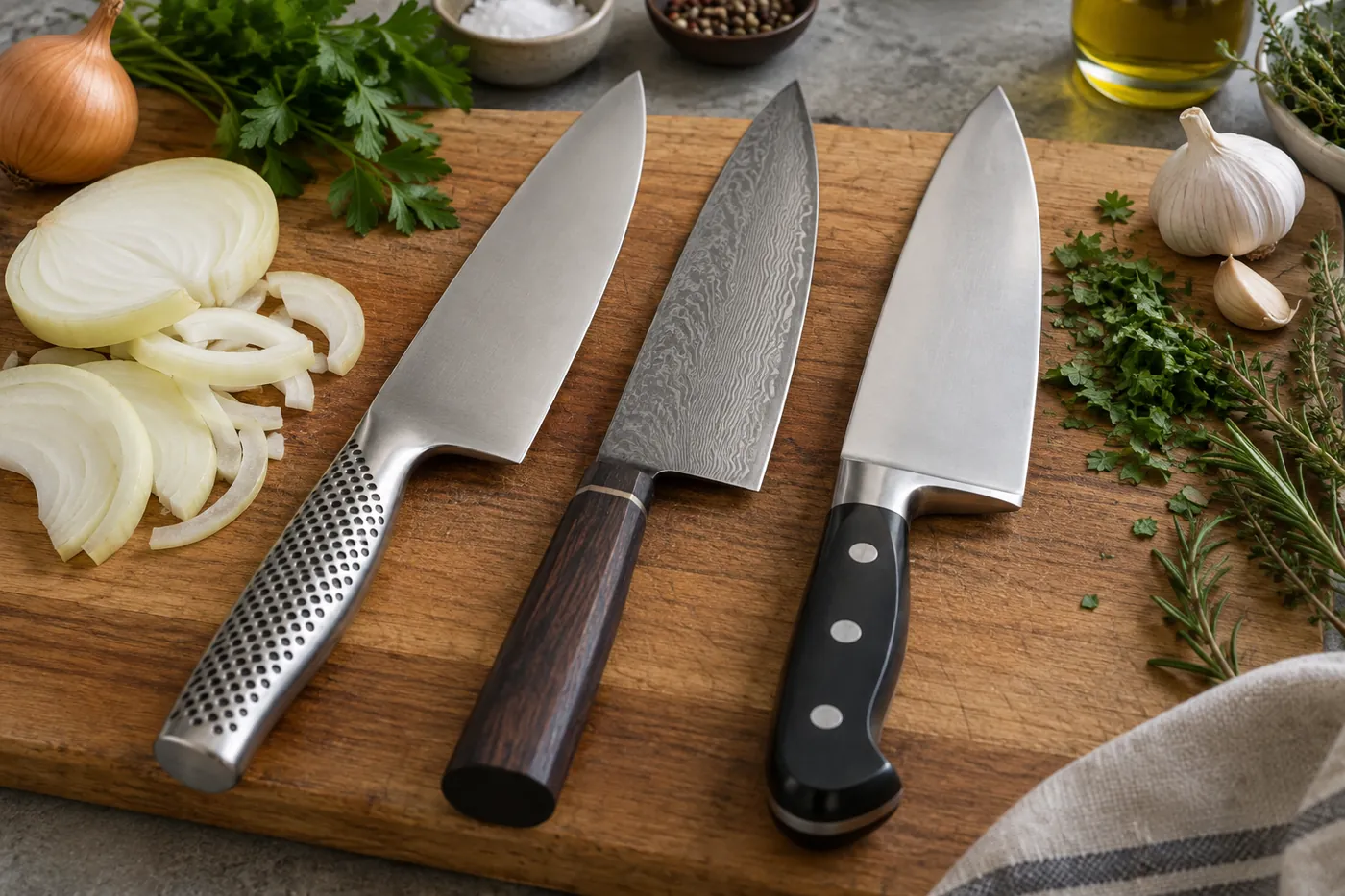
Global vs Shun vs Wüsthof: Japanese or German Chef's Knife?
Global, Shun and Wüsthof are the three chef's knives US cooks compare most. Two are Japanese, one is German, and they feel completely different in the hand. Here is how they compare on build, edge, weight and care, and which one suits the way you cook.
- Kitchen
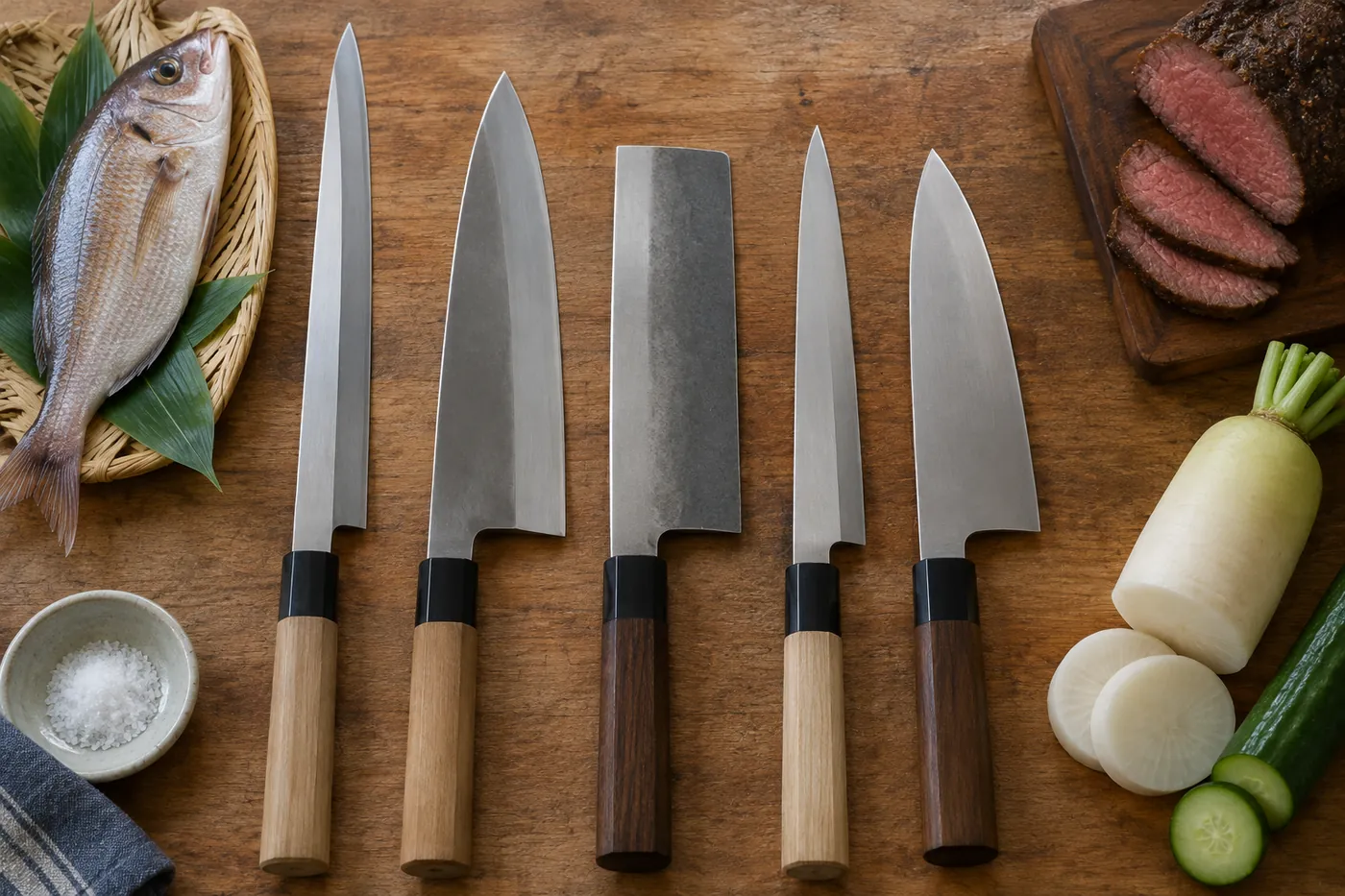
The Best Japanese Knife for Meat, Fish or Vegetables: Sujihiki, Deba, Yanagiba, Usuba and More
Japan has a knife for almost every job: sujihiki for roasts, honesuki for chicken, deba and yanagiba for fish, usuba for vegetables. Here is what each one does, the single-bevel catch most guides skip, and which knives to buy for the food you cook most.
- Kitchen
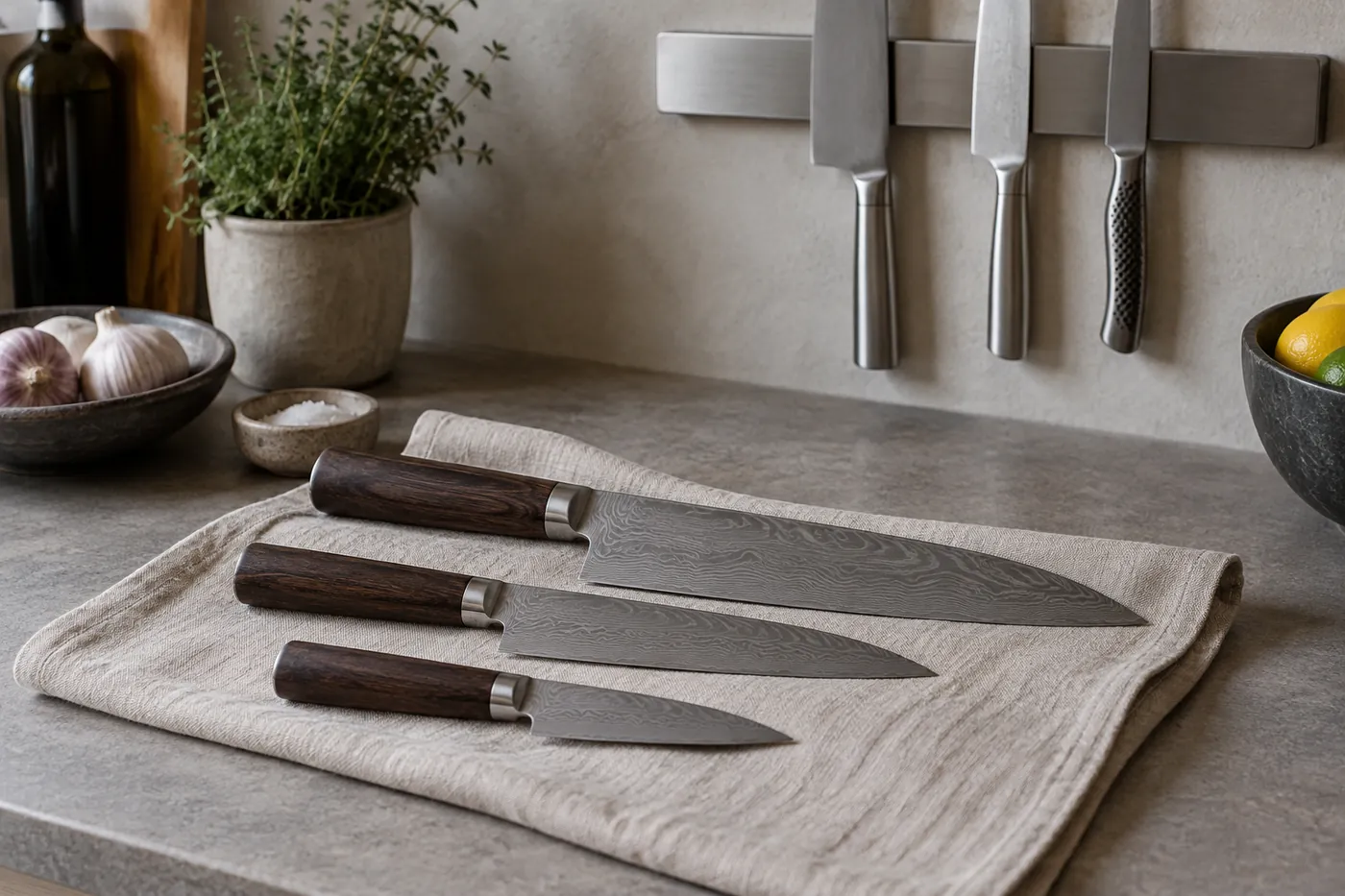
Is a Japanese Knife Set Worth It? Shun, Global and Miyabi Sets vs Buying One Knife at a Time
Big knife block sets look like a bargain, but most cooks use two or three of the knives. Here is which knives you actually need, when a small Japanese set like Shun's 3-piece starter or Global's magnetic bar set makes sense, and when buying one great knife is the better deal.
- Kitchen
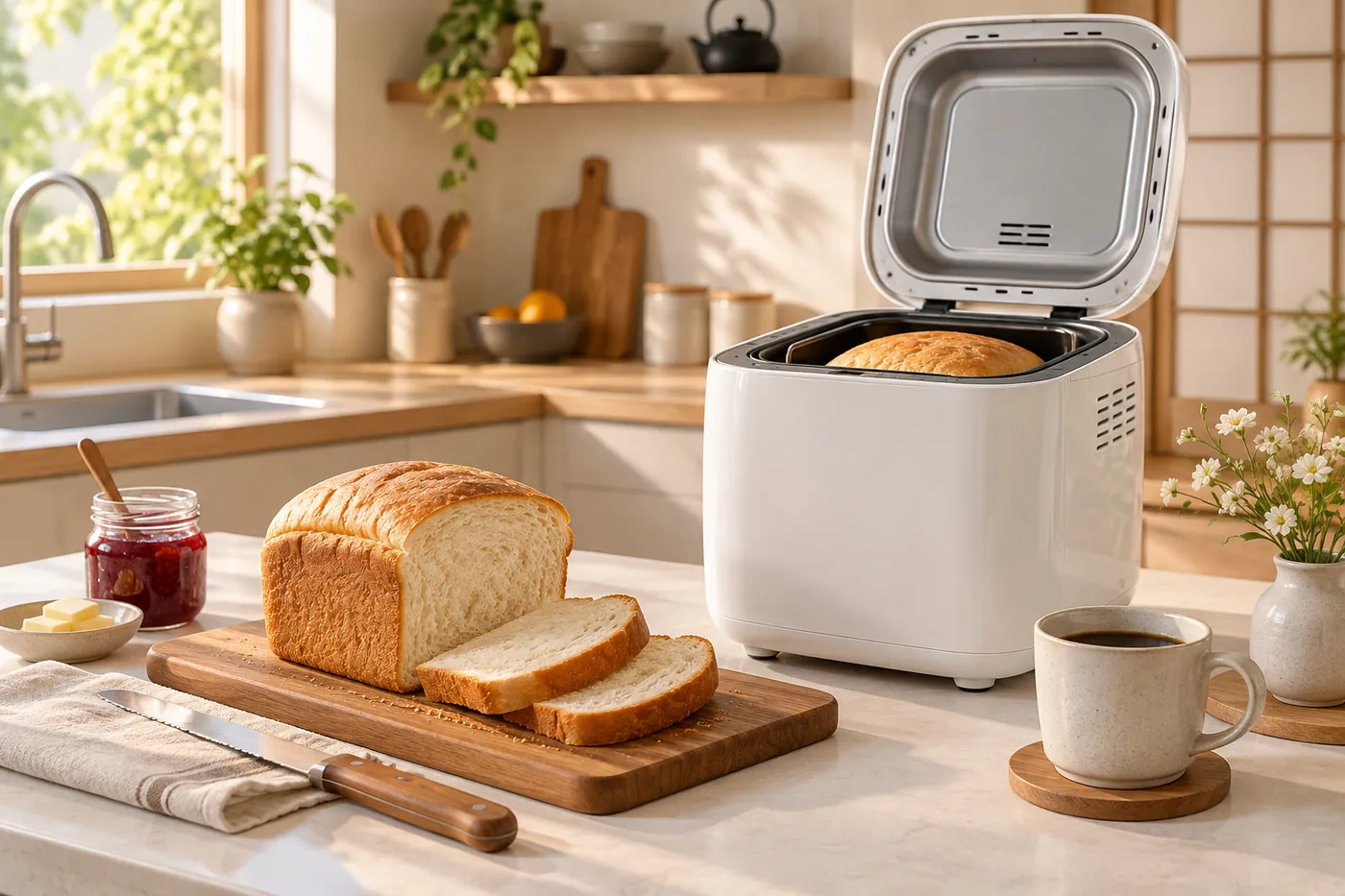
Which Zojirushi Bread Maker Should You Buy? Virtuoso Plus vs Supreme vs Maestro vs Mini
Zojirushi sells five bread makers in the US: three that bake a 2-lb loaf and two that bake a 1-lb loaf. Here is what each does best, from the double-blade Virtuoso Plus and its new PFAS-free version to the Maestro with its nut dispenser, and which one fits your kitchen.
- Kitchen
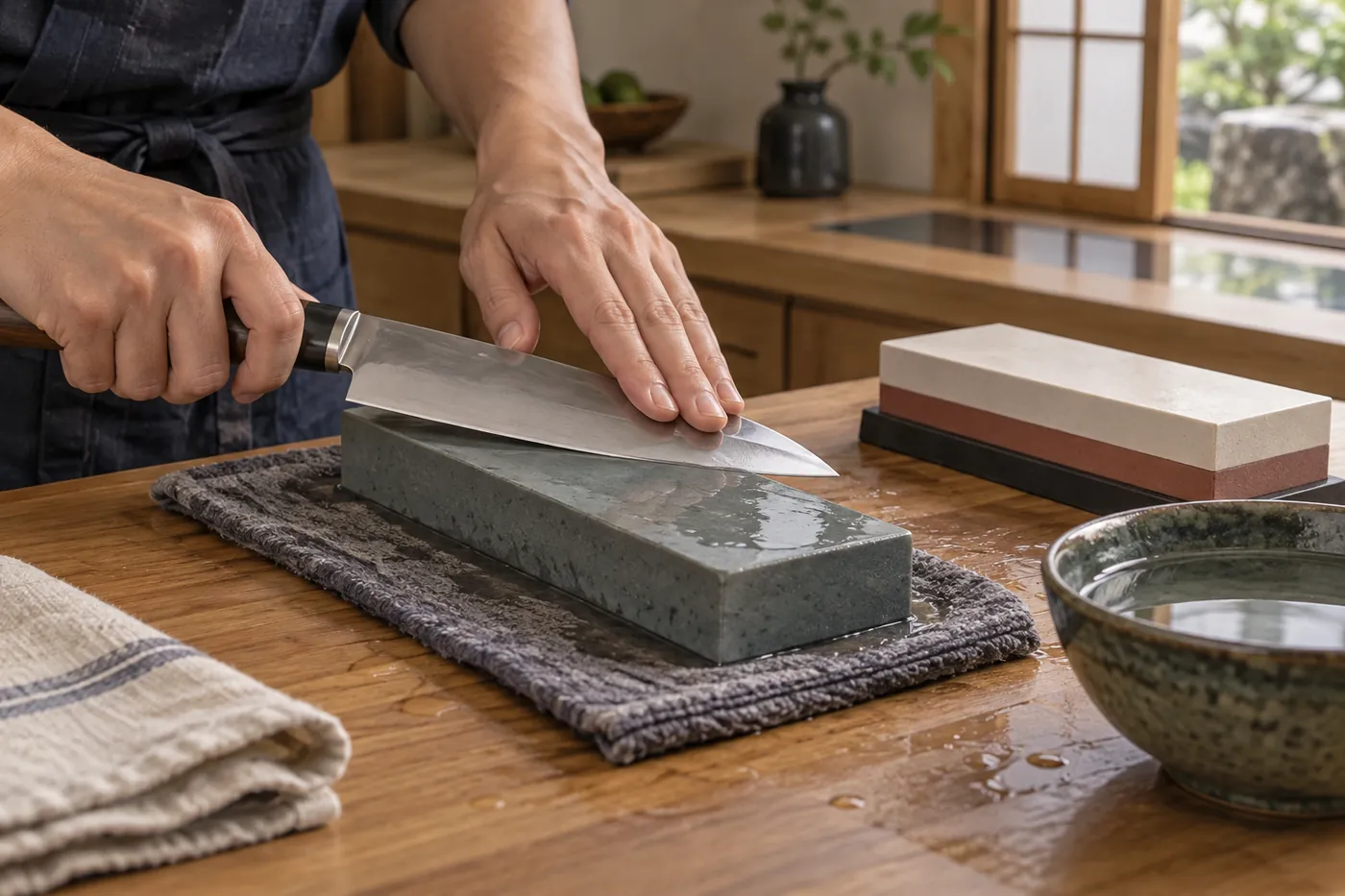
Japanese Whetstones for Beginners: Which Grit to Buy, and King vs Shapton vs Naniwa
A Japanese knife is only as good as its edge, and a whetstone is how you keep it. Here is what whetstone grit numbers mean, why most people start with a 1000/6000 combination stone, and how the stones from Japan's King, Shapton and Naniwa differ.
- Kitchen
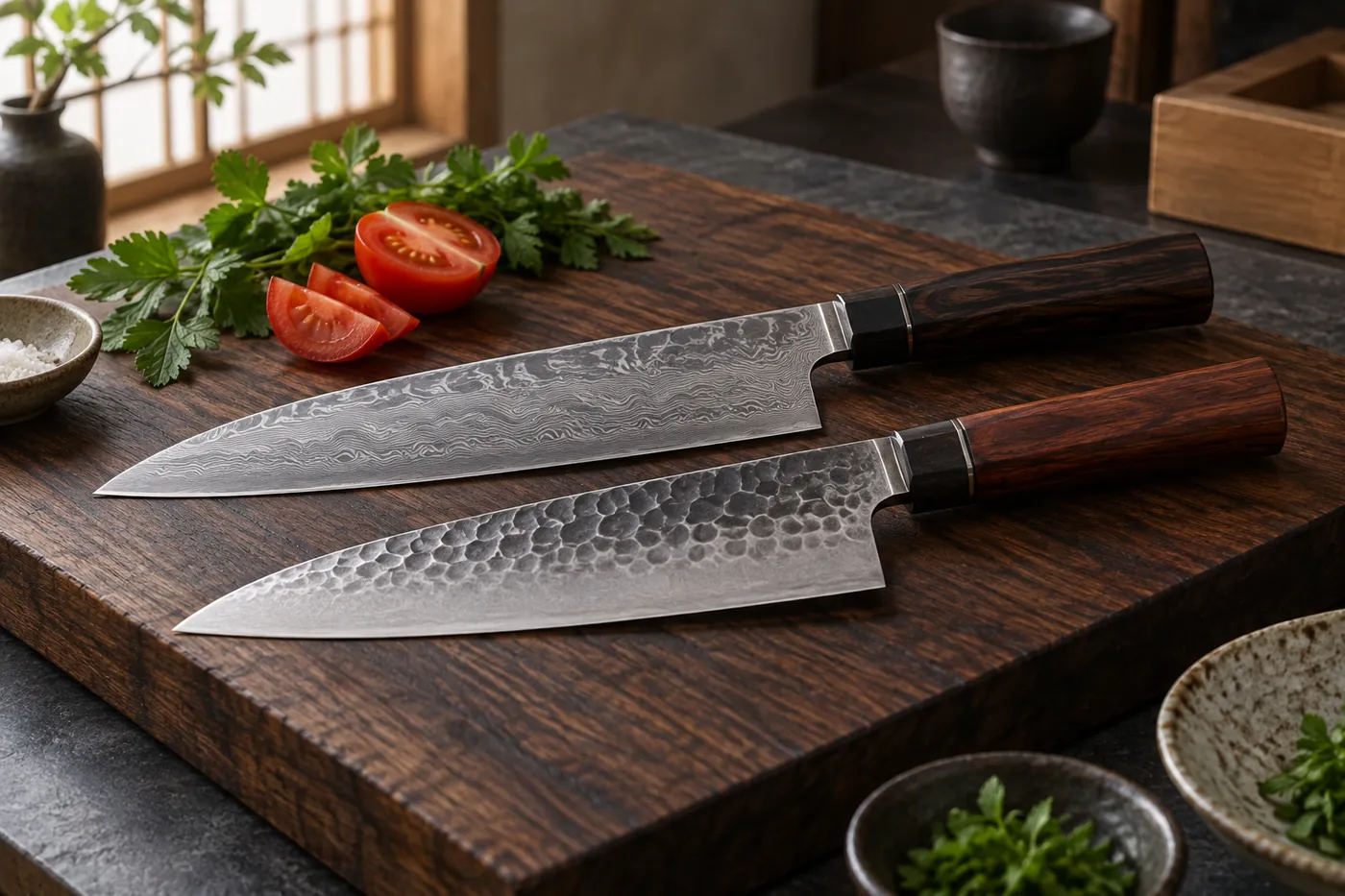
Shun vs Miyabi: Which Japanese Chef's Knife Should You Buy?
Shun and Miyabi are both handcrafted in Seki, Japan, and both make beautiful chef's knives. The difference is in the edge: Miyabi sharpens thinner and harder, Shun a little sturdier, with free sharpening for life. Here is how the two lineups compare and which knife suits you.
- Kitchen
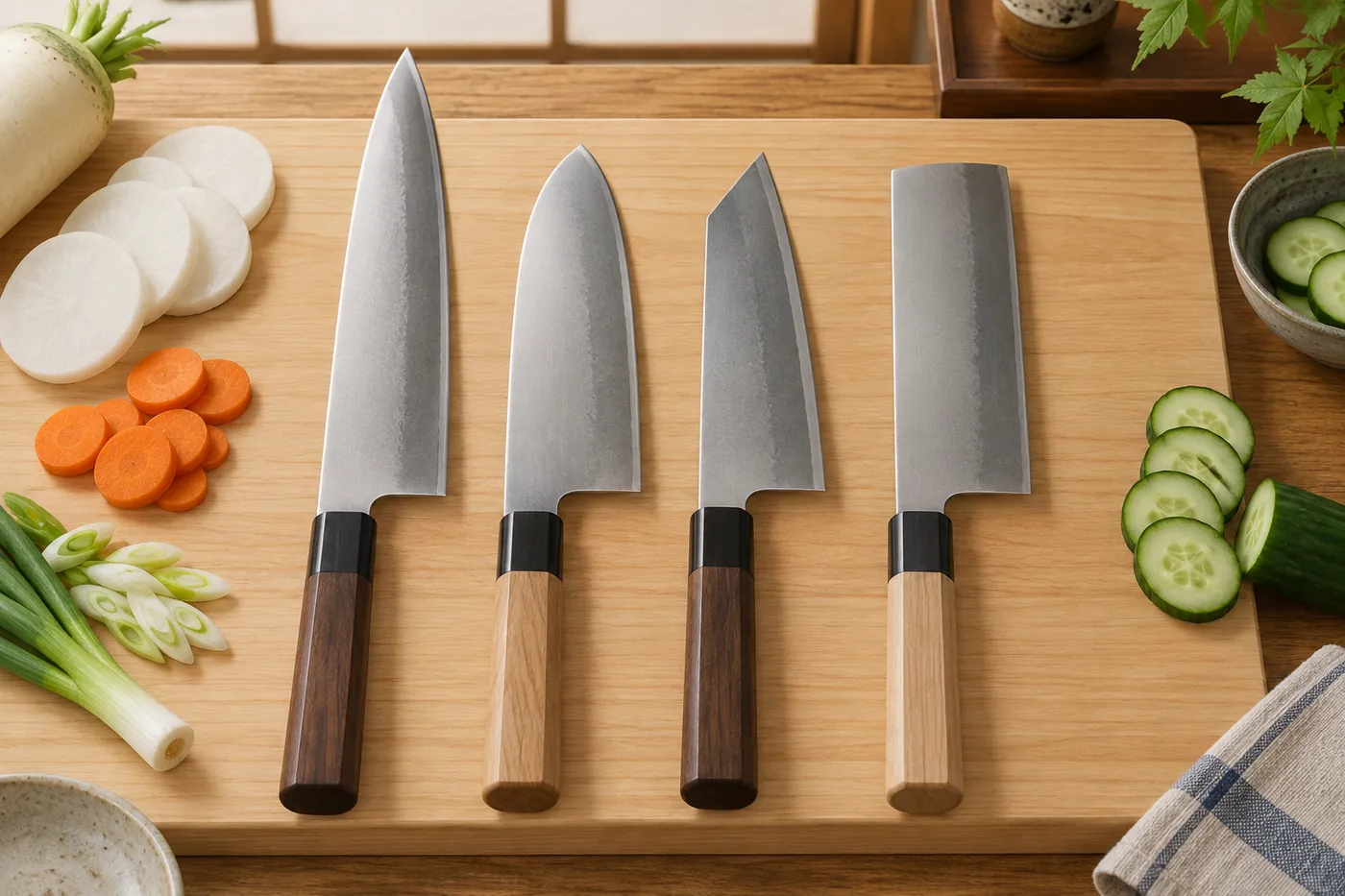
Gyuto vs Santoku vs Bunka vs Nakiri: Which Japanese Kitchen Knife Fits How You Cook
Japanese kitchen knives come in four main shapes, and each one makes a different kind of cooking feel easy. Here is what gyuto, santoku, bunka and nakiri mean, what each does best, and the Shun, Tojiro, Miyabi and Global knives worth buying in each shape.
- Kitchen
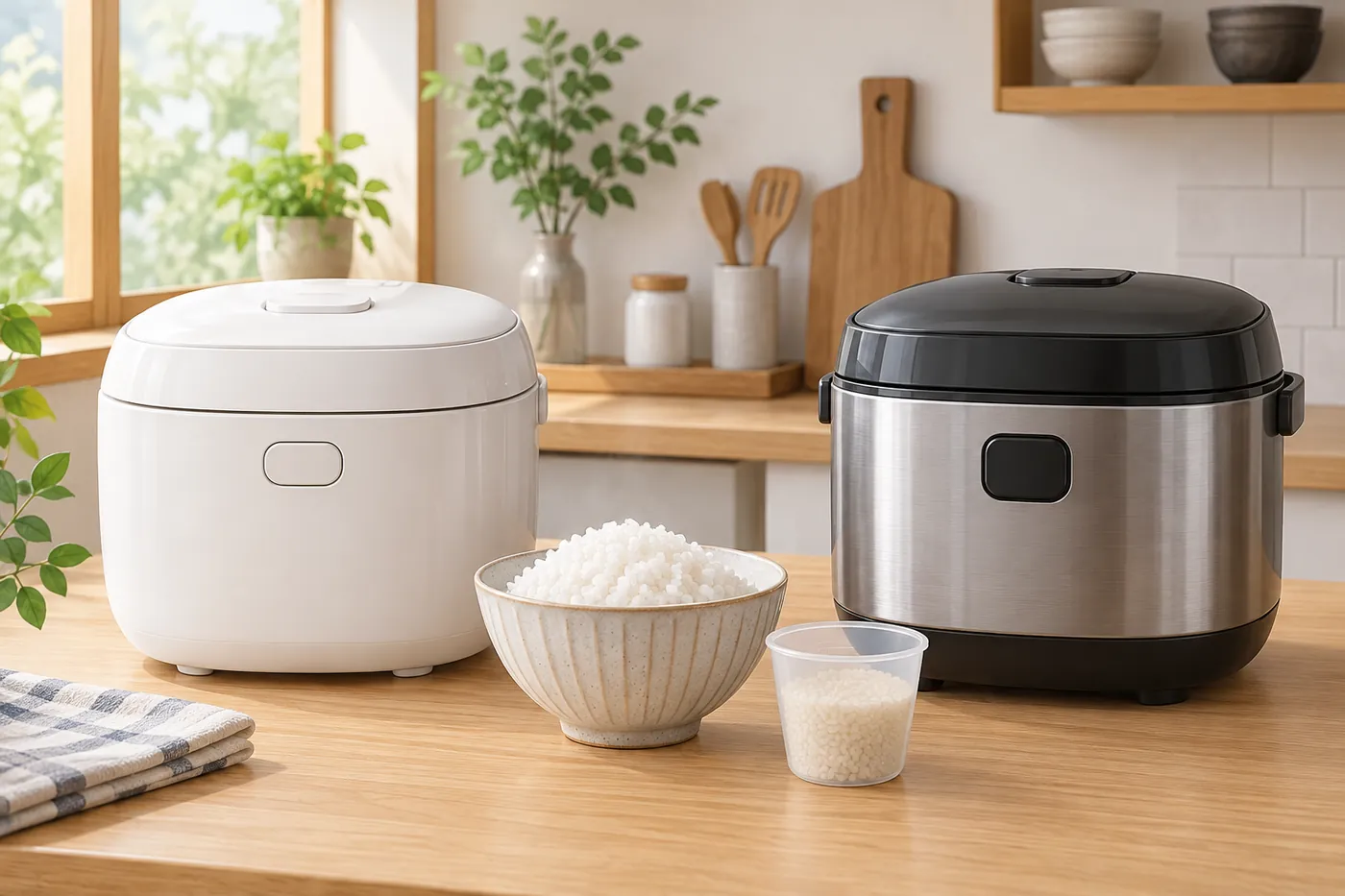
Zojirushi vs Tiger Rice Cookers: How the US Models Compare, and Which Are Made in Japan
Zojirushi chases the perfect bowl of rice, with pressure cookers that learn how you like it. Tiger makes dinner easier, with a plate that cooks your main dish on top of the rice and Japanese-made models at every price. Here is what each US model does best and who it suits.
- Kitchen
Which Zojirushi Rice Cooker Should You Buy? Every US Model by Heating Type and Size
Zojirushi sells more than a dozen rice cookers in the US. Choosing one comes down to two questions: what size, and which heating type (Micom, induction or pressure induction). Here is how the models line up, which ones are made in Japan, and why a Japanese domestic model is usually the wrong buy.